

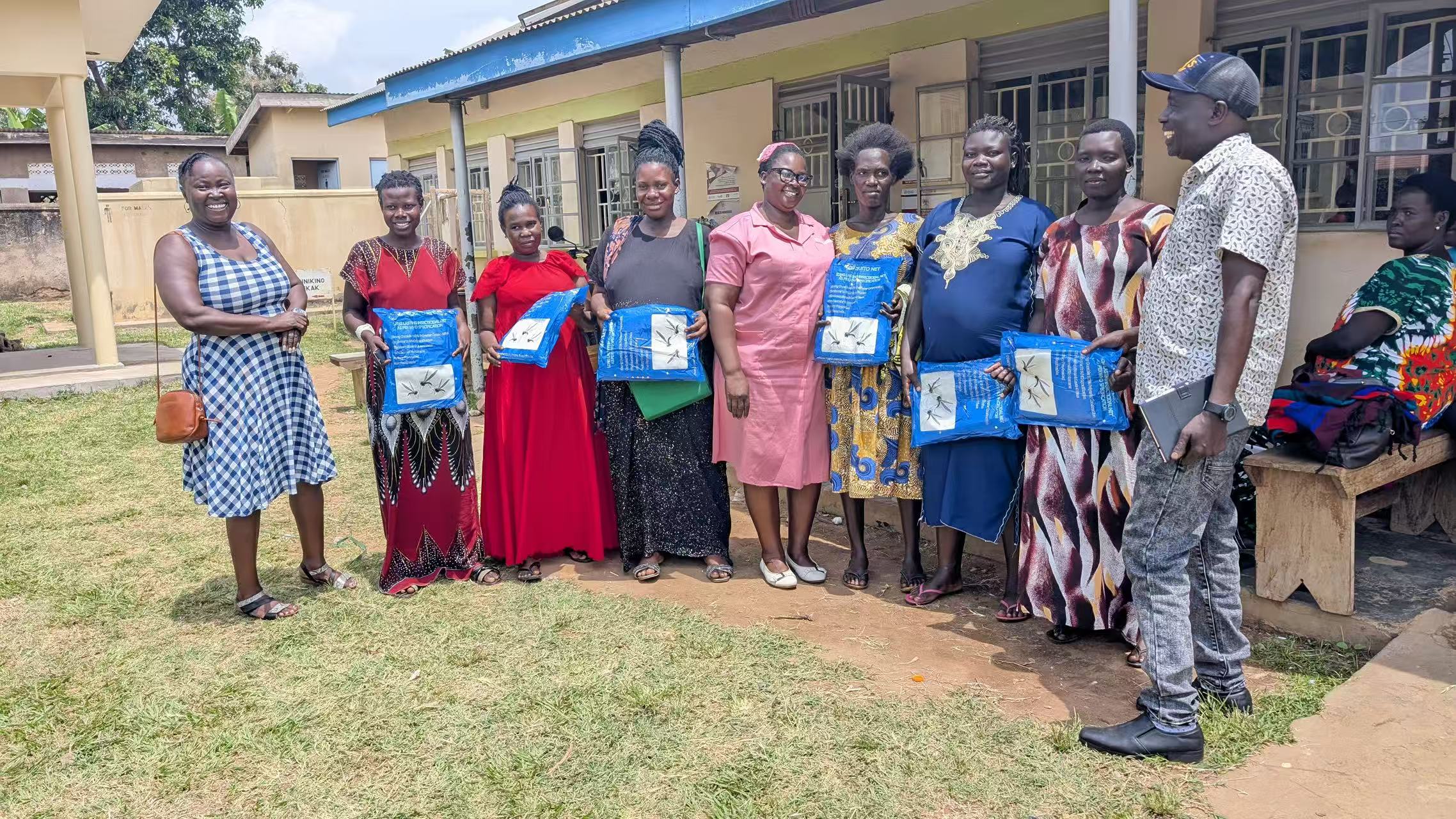
Protecting lives with lifesaving malaria nets
Malaria cases are over 200 million worldwide, with a death rate ranging from one death per 10,000 to 250. My mission is to provide basic mosquito nets to those in need, reducing infections and saving lives. Your support can help protect more vulnerable individuals.
Founder’s personal journey
Why malaria nets matter
While promising solutions such as vaccines, mosquito genetic modification, and Wolbachia bacteria are being developed, insecticide-treated nets remain the most affordable, practical, and immediately effective tool for prevention. Vaccines are often too expensive for people in similar conditions to afford; mosquito genetic modification and Wolbachia bacteria are both ideas without real implementation or successful cases, so mosquito nets are the best choice.
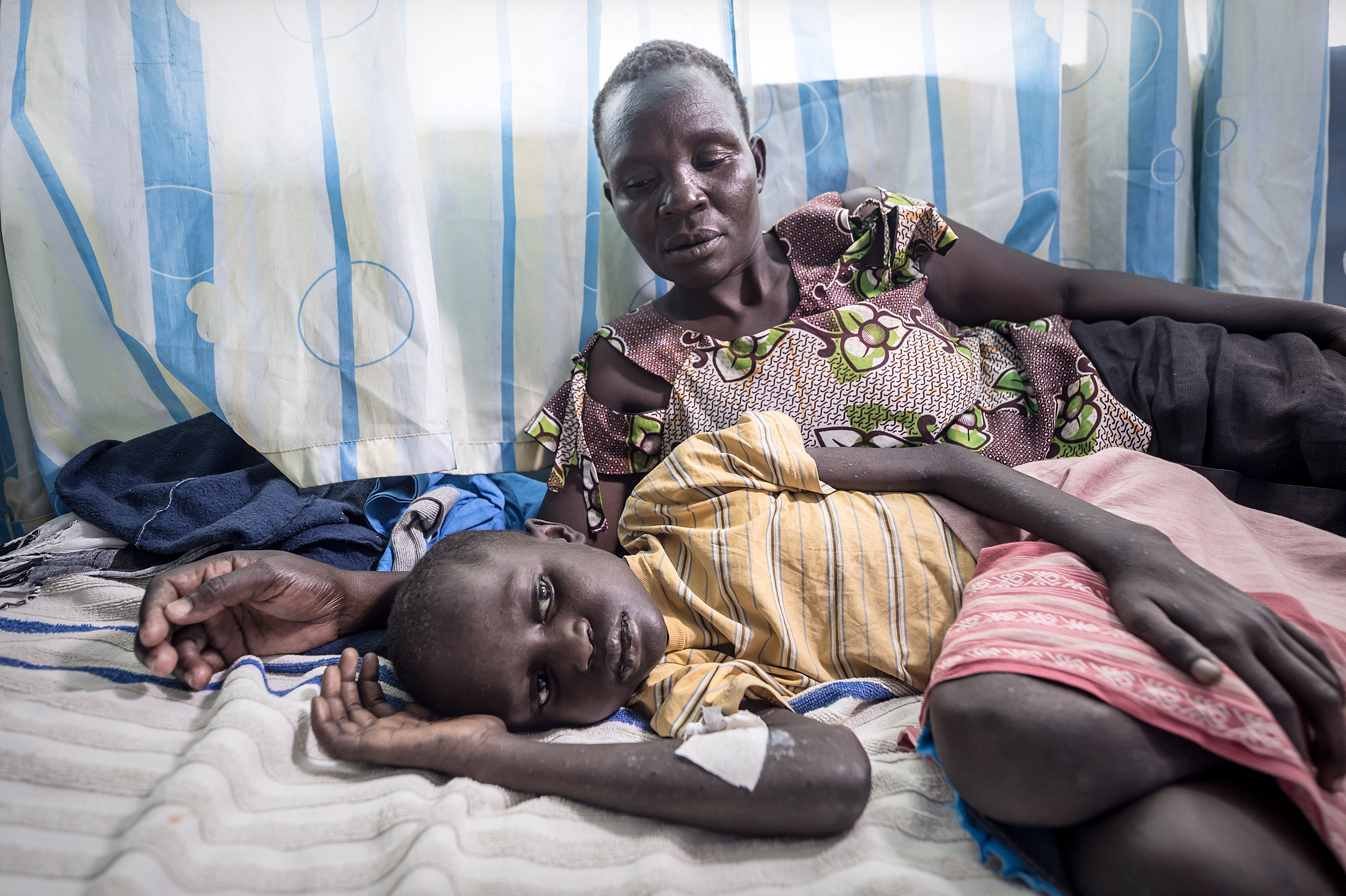
Malaria
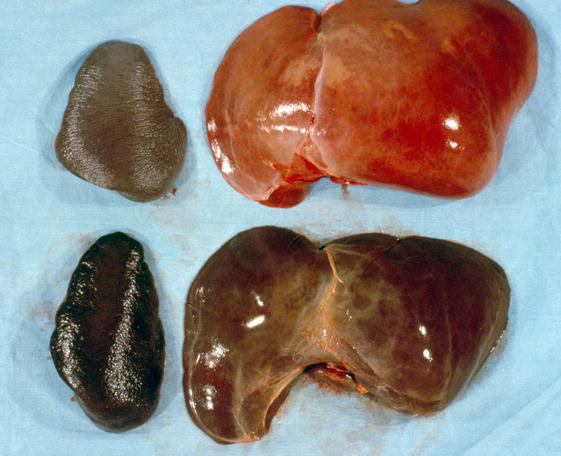
Process of infection
Once plasmodiumparasites are in the bloodstream, they travel to the liver, multiply, and affect red blood cells, causing malaria symptoms including fever, headache, and chills.
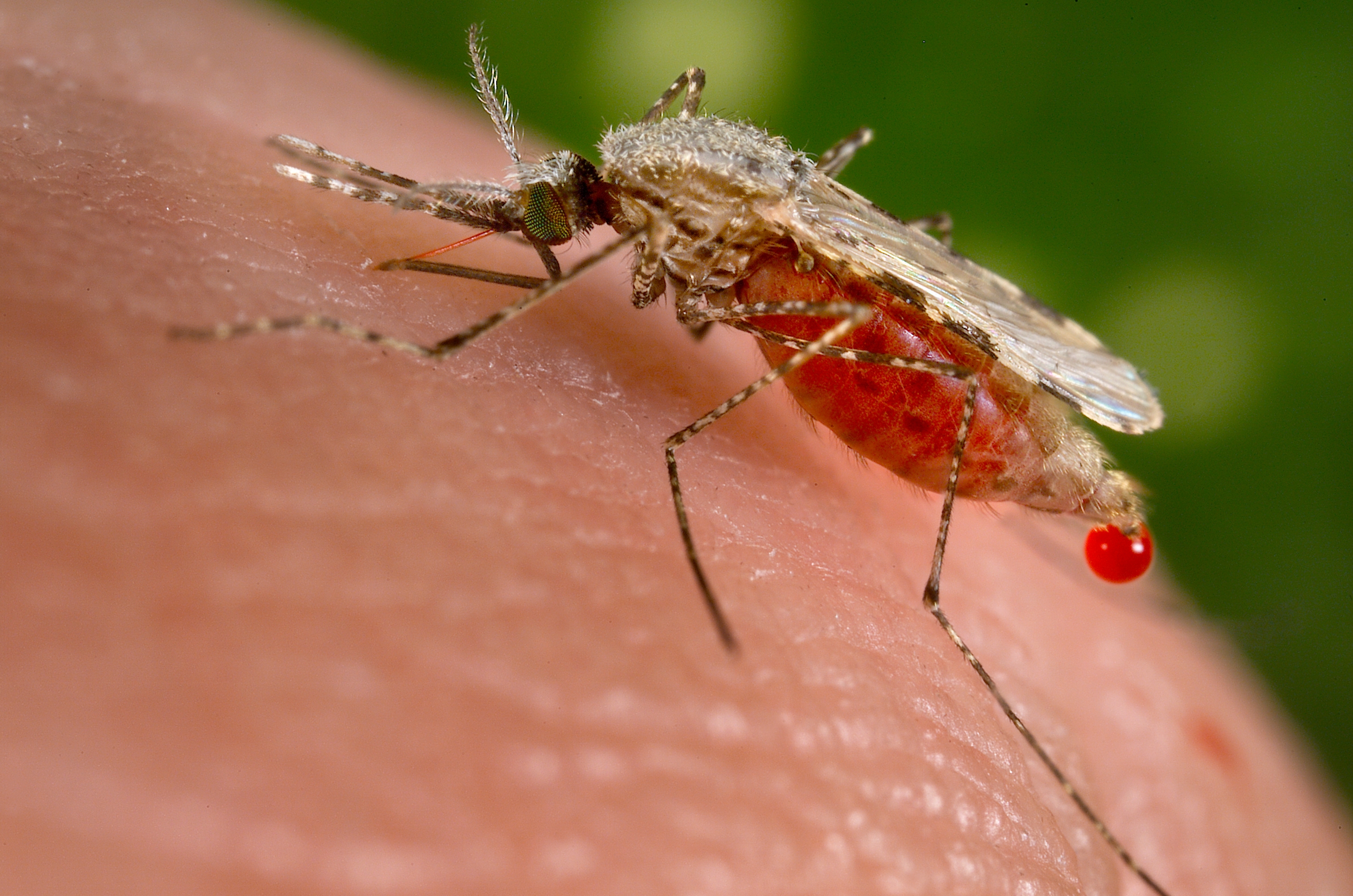
Mosquito types
Female Anopheles mosquitoes carry malaria and are difficult to control because they breed quickly and adapt easily to different environments.
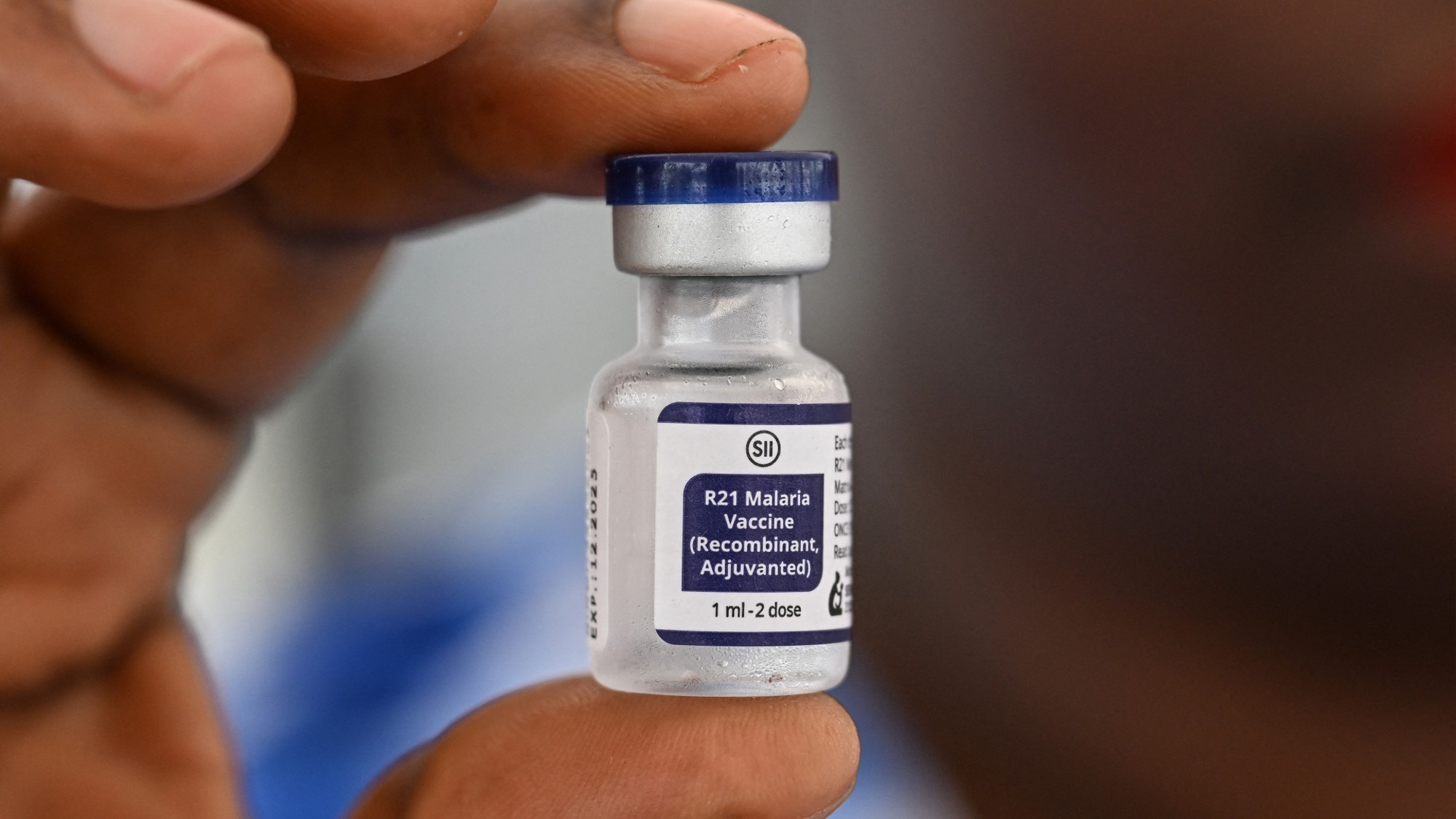
Vaccines
The two main ones are RTS,S, developed in 1987 with 40% efficacy, and R21, made in 2012 with 72% efficacy, and both are approved by WHO.

Cost to eradicate
Eradicating malaria by 2040 would cost between $90 billion and $120 billion, according to the Gates Foundation, with an annual funding reaching $6.4 billion.
 Nets Go